
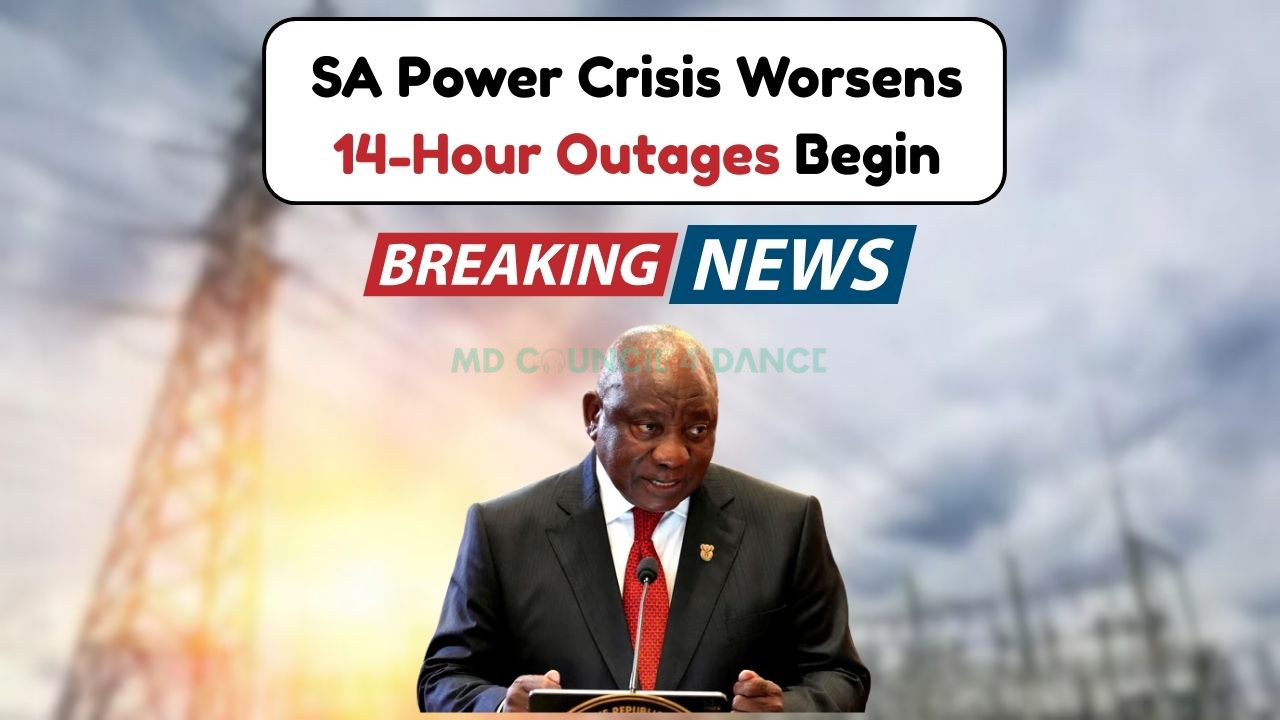
Gauteng Power Outages: Residents in Gauteng, KwaZulu-Natal, and the Western Cape are being alerted to prepare for potential 14-hour power outages as South Africa’s energy grid faces significant pressure. These prolonged disruptions are expected to affect daily life and require adaptive measures from the community.
Understanding the Scope of Power Outages
The looming outages are attributed to a combination of aging infrastructure, maintenance backlogs, and increased electricity demand. Energy experts are urging residents to be proactive in managing their energy use and have a plan in place.
Proactive Measures:
- Utilize alternative energy sources such as generators or solar panels.
- Stock up on essential supplies, including batteries and non-perishable foods.
- Keep electronic devices charged and maintain a backup power bank.
- Plan daily activities around scheduled power outages.
- Stay informed via local news outlets and Eskom updates.
Residents are encouraged to mitigate the impact by adopting these strategies and maintaining open lines of communication with local authorities.
Impact on Daily Life in South Africa
The anticipated power outages will have a ripple effect on various aspects of life, from household routines to business operations.
Business Preparedness
- Implement contingency plans to ensure continuity of operations.
- Invest in energy-efficient equipment to reduce consumption.
- Encourage remote work where possible to reduce office energy use.
Businesses that take these steps may find it easier to navigate the challenges posed by power outages.
Energy Supply Challenges
| Region | Projected Outage Duration | Backup Solutions | Community Support | Infrastructure Upgrades | Public Awareness | Cost Implications |
|---|---|---|---|---|---|---|
| Gauteng | Up to 14 hours | Generators | Neighborhood Groups | Ongoing | High | Moderate |
| KwaZulu-Natal | Up to 12 hours | Solar Panels | Local Councils | Planned | Medium | High |
| Western Cape | Up to 13 hours | Inverters | Community Forums | Delayed | High | Moderate |
Government and Eskom Initiatives
Government and Eskom are working together to address the energy crisis by increasing renewable energy projects and modernizing existing power stations.
Renewable Energy Projects
- Wind farms expansion
- Solar power initiatives
- Hydroelectric projects
- Bioenergy programs
- Geothermal energy exploration
- Community-based energy schemes
Public Response and Adaptation
Community Resilience:
- Organize community workshops
- Share resources and knowledge
- Support vulnerable groups
Innovative Solutions:
South Africans are known for their resilience and creativity. Communities are coming together to share resources and promote energy-saving techniques.
Long-Term Solutions and Investments
| Initiative | Timeline |
|---|---|
| Infrastructure Upgrades | 2024-2028 |
| Renewable Energy Projects | 2023-2025 |
| Public Education Programs | Ongoing |
| Policy Reforms | 2023-2024 |
| Energy Efficiency Campaigns | 2023-2026 |
Community Support and Resources
- Local government assistance
- NGO support programs
- Corporate social responsibility initiatives
Departmental Contact Details
Department of Energy:
Phone: 012 406 8000
Email: [email protected]

Eskom National Contact Centre:
Phone: 08600 37566
Email: [email protected]
Western Cape Provincial Government:
Phone: 021 483 2914
Email: [email protected]
KwaZulu-Natal Provincial Government:
Phone: 033 395 2911
Email: [email protected]
Gauteng Provincial Government:
Phone: 011 355 0000
Email: [email protected]
Frequently Asked Questions
How can I prepare for a 14-hour power outage?
Ensure you have backup power sources, keep devices charged, and stock up on essential supplies.
What is being done to prevent future outages?
The government and Eskom are investing in renewable energy projects and infrastructure upgrades.
How can businesses cope with these outages?
Businesses should implement contingency plans, invest in energy-efficient equipment, and encourage remote work.
Where can I find the schedule for power outages?
Schedules are available on Eskom’s website and through local news outlets.
Who can I contact for more information?
Contact the Department of Energy or your local Eskom office for detailed information.
