
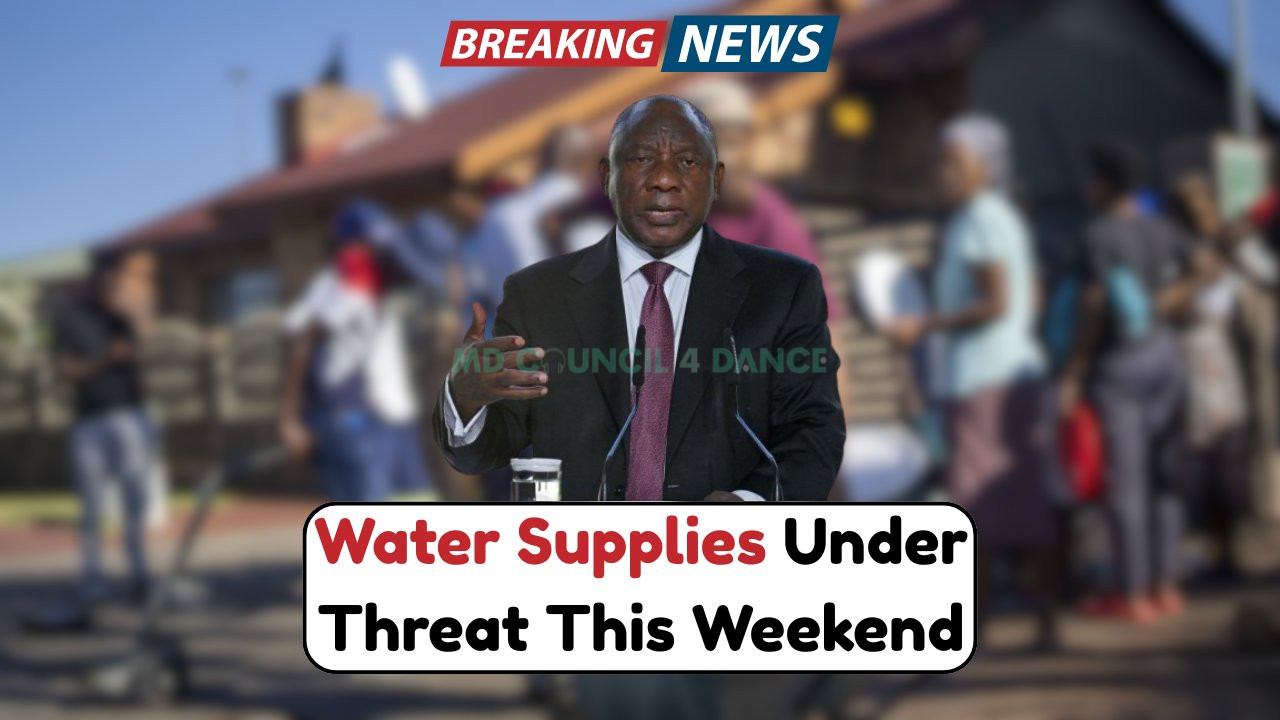
South Africa Weekend Water Cuts: South Africa is currently grappling with a pressing water crisis, particularly affecting weekends, which has communities on edge. This water shortage is not just an inconvenience but a wake-up call for urgent action across the nation.
Understanding the Water Crisis in South Africa
The water cuts in South Africa are a result of a myriad of factors, including infrastructure challenges, climate change, and increased demand. These factors combined have left municipalities struggling to maintain a steady water supply, especially during weekends when usage spikes.
Key Contributors to the Crisis:
- Infrastructure Decay: Aging pipes and inadequate maintenance have led to significant water loss.
- Climate Change: Erratic weather patterns have reduced rainfall in crucial catchment areas.
- Population Growth: Rapid urbanization has increased water demand.
- Economic Factors: Budget constraints limit the capacity to address infrastructural issues.
- Water Mismanagement: Inefficient water management practices exacerbate shortages.
With these challenges in mind, it’s crucial that both the government and citizens take responsive actions to alleviate the crisis.

Proactive Steps to Mitigate Water Shortage
Addressing the water crisis requires a collective effort. Here are some strategic actions for both authorities and citizens.
- Government Initiatives: Implement robust policies to upgrade and maintain water infrastructure.
- Community Engagement: Educate the public on water-saving practices.
- Technological Innovations: Invest in technologies like water recycling and desalination.
- Regular Monitoring: Conduct frequent assessments of water sources and distribution networks.
- Emergency Protocols: Establish clear guidelines for water rationing during peak shortages.
Impact of Water Cuts on Daily Life
| Aspect | Impact | Severity | Duration | Mitigation | Responsibility | Resource | Status |
|---|---|---|---|---|---|---|---|
| Household | Reduced access to clean water | High | Intermittent | Water storage | Individual | Water tanks | Ongoing |
| Healthcare | Compromised sanitation | Medium | Variable | Backup systems | Government | Water reserves | Critical |
| Agriculture | Crop yield reduction | High | Seasonal | Irrigation management | Farmers | Smart irrigation | Challenging |
| Industry | Production delays | Medium | Short-term | Water recycling | Corporates | Recycled water | Manageable |
| Education | School closures | Low | Occasional | Alternate schedules | Schools | Stored water | Improving |
Government’s Role in Addressing the Crisis
The South African government plays a pivotal role in solving the water crisis. It is imperative that state departments collaborate to create sustainable water management policies and infrastructure improvements.
Key Government Actions:
- Policy Enforcement: Strengthen regulations on water usage and conservation.
- Funding Allocation: Prioritize budget for water infrastructure projects.
- Partnerships: Collaborate with private sectors for innovative solutions.
- Research and Development: Invest in research for alternative water sources.
- Increase public awareness campaigns.
- Encourage community participation in water conservation.
- Implement strict penalties for water wastage.
Community Involvement in Water Conservation
Communities are encouraged to take active roles in conserving water by adopting simple yet effective measures.
| Action | Benefit | Implementation |
|---|---|---|
| Fix leaks | Reduces water loss | Immediate |
| Install low-flow fixtures | Decreases consumption | Short-term |
| Collect rainwater | Alternative water source | Seasonal |
| Limit shower time | Saves water | Daily |
| Reuse greywater | Conserves fresh water | Long-term |
Water Conservation Tips for Households
Practical Steps to Save Water:
Adopting these daily habits can help reduce water wastage significantly.

Turn off taps:
When not in use, ensure taps are completely shut off.
Use washing machines wisely:
Run full loads to maximize water efficiency.
Water gardens at dusk:
Reduce evaporation by watering during cooler times.
Opt for water-efficient appliances:
Choose appliances with high water efficiency ratings.

Educate family members:
Teach children the importance of water conservation.
