
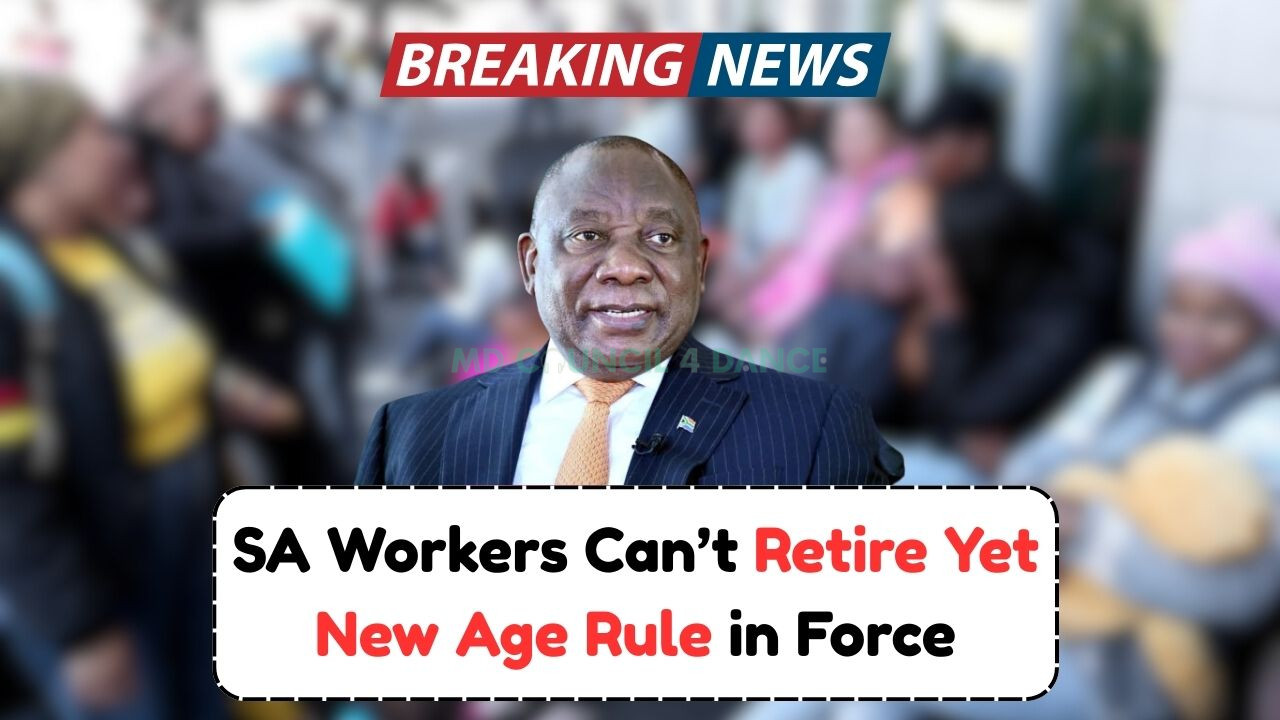
South Africa’s Landmark 2025 Reform: Retirement Age Extended for Public Servants
Retirement Age Extended for South African Public Servants
South Africa’s Landmark 2025 Reform: The South African government has announced a significant reform that extends the retirement age for public servants. This landmark decision will take effect in 2025, allowing employees in the public sector to continue their careers longer. This change is expected to impact workforce dynamics, pension systems, and economic planning in the country.
The decision to extend the retirement age is part of a broader strategy to address economic challenges and improve the sustainability of the public service pension fund. It also aims to retain experienced professionals within the government, ensuring the continuation of high-quality public services.
- Implementation Date: 2025
- Affected Sector: Public Servants
- Current Retirement Age: 60
- New Retirement Age: 65
- Main Objective: Enhance workforce sustainability
Impact on Public Service Workforce

How the Reform Affects Public Servants
With the retirement age now extended to 65, public servants in South Africa have additional years to contribute to their professions, which fosters the retention of institutional knowledge and skills. This reform aligns with global trends where countries are adjusting retirement ages in response to increased life expectancy and economic demands.
Benefits for Public Servants
- Increased Pension Benefits: Longer working years can result in higher pension payouts.
- Job Security: Continued employment through extended years.
- Skill Development: Opportunities to further develop and transfer skills.
- Economic Stability: Reduced financial pressure post-retirement.
- Career Growth: More time to achieve career milestones.
- Work-Life Balance: Flexibility in planning for the future.
Challenges and Opportunities
Potential Challenges and Opportunities
While the extension of the retirement age brings several benefits, it also presents challenges and opportunities that need to be addressed. One primary concern is the potential bottleneck effect on promotional opportunities for younger employees. However, it also creates an opportunity for mentorship programs, where experienced employees can guide new entrants into the workforce.
| Challenges | Opportunities | Impact | Solutions |
|---|---|---|---|
| Bottleneck in promotions | Mentorship programs | Delayed career growth for younger staff | Structured career paths |
| Increased pension liabilities | Better financial planning | Financial strain on pension funds | Adjust pension contributions |
| Workforce management | Skill development | Management complexity | HR strategy enhancement |
| Health and wellness issues | Health programs | Increased absenteeism | Wellness initiatives |
| Potential age bias | Diverse workforce policies | Workplace discrimination | Inclusion training |
| Cost of living adjustments | Economic stimulation | Increased living costs | Adjust salary scales |
| Policy implementation | Policy review and updates | Bureaucratic delays | Streamlined processes |
Future Outlook
The Future of South African Public Service
This reform signifies a shift in South Africa’s approach to workforce management and economic planning. By extending the retirement age, the government aims to create a more resilient public sector that can adapt to changing demographics and economic landscapes. This change is expected to foster a more dynamic and experienced workforce that can meet the needs of a growing nation.
Key Considerations for the Future
- Policy Adjustments: Regular reviews of retirement policies to ensure effectiveness.
- Economic Impact: Assessing the long-term economic implications of an older workforce.
- Workforce Training: Continuous professional development programs for all ages.
- Pension Reforms: Adjustments to pension schemes to accommodate longer service periods.
- Healthcare Provisions: Enhanced healthcare services for older employees.
- Technology Integration: Use of technology to support an aging workforce.
Support and Resources
Resources for Public Servants
Various resources are available to support public servants during this transition period:
- Pension Fund Consultations: Assistance with understanding new pension implications.
- Career Planning Workshops: Workshops to help plan for extended careers.
- Health and Wellness Programs: Programs focused on maintaining health over longer work periods.
- Mentorship Opportunities: Connecting with experienced peers for guidance.
Additional Resources
Further Reading and Information
For more information on the 2025 reform and how it affects public servants, refer to the following resources:

| Resource | Link |
|---|---|
| Pension Fund Details | Government Pension Fund |
| Workforce Development | Department of Labour |
| Retirement Policy Updates | National Treasury |
| Health and Wellness Programs | Department of Health |
| Career Planning Services | Skills Development |
| Mentorship Initiatives | Department of Public Service |
FAQ Section
What is the new retirement age for public servants in South Africa?
The new retirement age is 65, effective from 2025.
Why is the retirement age being extended?
The extension aims to improve workforce sustainability and retain experienced staff.
How does this change affect pension benefits?
Extended working years may result in higher pension payouts due to increased contributions.
What support is available for public servants during this transition?
Support includes pension consultations, career workshops, and wellness programs.
Are there any challenges associated with this reform?
Challenges include potential promotion bottlenecks and increased pension liabilities.
Departmental Contact Details
For further assistance, contact the relevant departments:
Government Pension Fund: [email protected] | 0800 123 456
Department of Labour: [email protected] | 0800 789 101
National Treasury: [email protected] | 0800 456 789
Department of Health: [email protected] | 0800 987 654

Skills Development: [email protected] | 0800 654 321
