
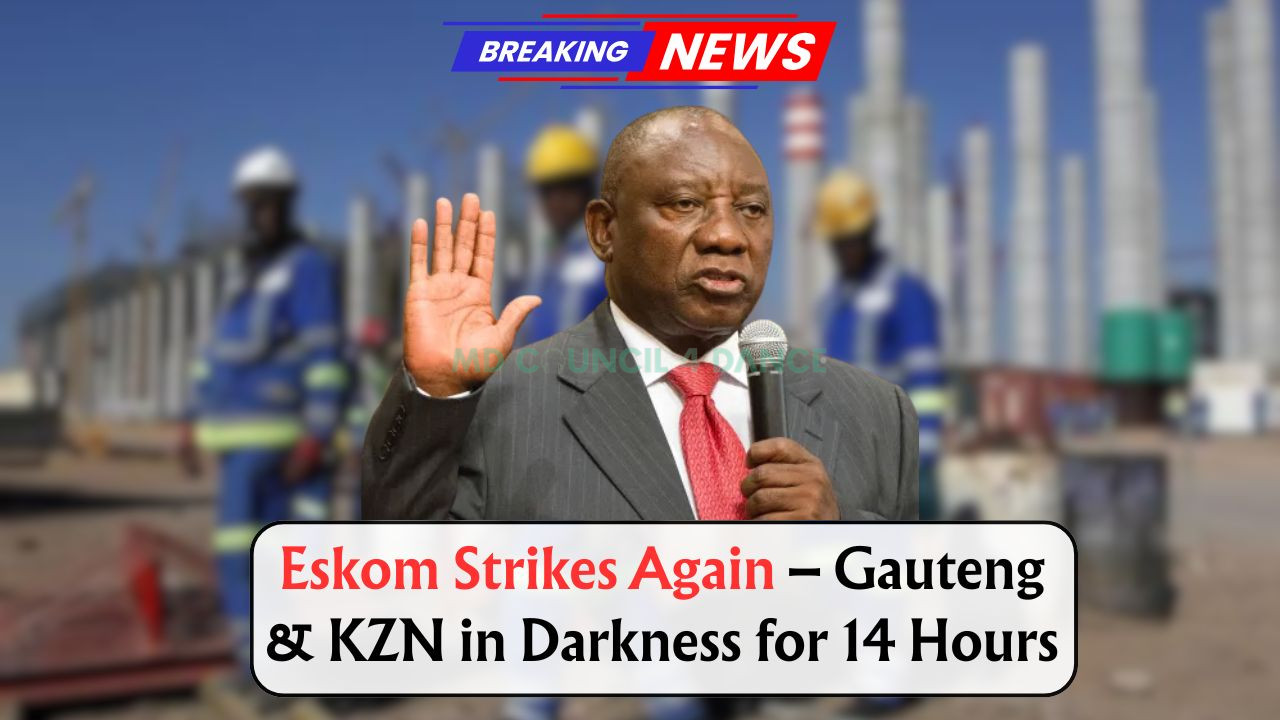
14-Hour Load Shedding in South Africa: In a recent announcement, Eskom has confirmed a 14-hour load shedding schedule that will affect major provinces such as Gauteng, KwaZulu-Natal (KZN), and the Western Cape. This prolonged power outage has prompted residents to adopt various strategies to cope with the disruptions.
Preparing for Load Shedding in Gauteng
Residents in Gauteng are no strangers to load shedding, but a 14-hour period demands extra preparation. Many households are looking into alternative energy solutions to mitigate the impact.
Some of the most common preparations include:
- Investing in solar panels to maintain essential power supply.
- Stocking up on non-perishable food items and water.
- Ensuring all electronic devices are fully charged prior to outages.
- Using gas stoves and heaters as alternatives to electrical appliances.
- Organizing community watch groups for safety during dark hours.
These measures are designed to enhance both comfort and security during power cuts.

KZN Residents Brace for Extended Outages
KwaZulu-Natal, another province affected by the extended outages, has seen increased sales in backup generators and inverters. Residents are also utilizing smart technology to manage their power usage more efficiently.
Strategies being embraced include:
- Installing battery storage systems to keep lights and essential devices running.
- Engaging with local businesses to support community-based power solutions.
- Attending workshops on energy efficiency and emergency preparedness.
These community initiatives not only help cope with load shedding but also foster resilience and self-reliance.
Western Cape’s Approach to Load Shedding
| City | Backup Solution | Duration of Use | Community Support | Renewable Adoption | Preparedness Workshops | Emergency Plans |
|---|---|---|---|---|---|---|
| Cape Town | Generators | 8 hours | High | Moderate | Yes | Yes |
| Stellenbosch | Inverters | 10 hours | Moderate | High | No | Yes |
| George | Solar Power | 12 hours | Low | High | Yes | No |
| Paarl | Battery Storage | 6 hours | High | Moderate | No | Yes |
| Knysna | Hybrid Systems | 9 hours | Moderate | High | Yes | No |
| Hermanus | Generators | 7 hours | High | Moderate | No | Yes |
| Worcester | Inverters | 5 hours | Low | High | No | No |
Impact on Local Businesses
Businesses across these provinces are also feeling the heat of the extended load shedding. Many are having to adjust their operating hours and rely on alternative power sources to keep afloat.
- Restaurants using gas for cooking to remain open.
- Retail stores installing backup generators to power critical systems.
- Offices encouraging remote work to reduce on-site power dependency.
- Service providers offering special deals on energy-efficient appliances.
- Entrepreneurs looking at solar energy as a long-term investment.
- Community markets extending hours on non-load shedding days.
Community and Government Initiatives
Local governments and communities have launched several initiatives to aid residents during this challenging period.
- Installation of street solar lights in high traffic areas.
- Workshops on energy-saving techniques for households.
- Creation of emergency response teams for outage-related incidents.
- Collaboration with NGOs to provide assistance to vulnerable groups.
These efforts aim to alleviate the immediate impact and build long-term resilience.
Technological Aids
Technology continues to play a crucial role in managing load shedding. Apps and online platforms provide real-time updates, helping residents plan effectively.
- Real-time load shedding alerts via mobile apps.
- Online forums for sharing tips and advice.
- Virtual workshops on energy management.
These tools are vital for staying informed and prepared.
Energy Conservation Tips
- Switch off non-essential appliances during peak hours.
- Utilize energy-efficient bulbs and fixtures.
- Regular maintenance of appliances to ensure optimal performance.
- Educating family members on energy conservation practices.
- Encouraging carpooling and public transport to reduce grid load.
Future Outlook
While the current situation is challenging, it presents an opportunity for innovation and adaptation. South Africans are resilient and are exploring sustainable solutions to minimize future disruptions.

- Investments in renewable energy sources by both government and private sectors.
- Increased research in energy storage technologies.
- Public-private partnerships to enhance grid reliability.
These efforts are critical to ensuring a stable energy future.
Government Support and Resources
For those in need of assistance, the government has provided several resources to help manage during load shedding.
- Access to emergency services during outages.
- Guidance on energy efficiency and conservation techniques.
- Support for small businesses affected by power cuts.
Residents are encouraged to reach out to local authorities for more information and support.
Departmental Contact Details
For further inquiries and support, residents can contact:
- [email protected]
- +27 12 345 6789
- Local municipal offices for area-specific assistance.
These contacts are available to provide guidance and support.
FAQ Section
| Question | Answer | More Info |
|---|---|---|
| What is load shedding? | Load shedding is the process of reducing electricity usage by turning off power supply in certain areas. | Learn More |
| Why is load shedding necessary? | It helps prevent the entire power grid from collapsing during high demand periods. | Learn More |
| How can I prepare for load shedding? | Stock up on essentials, invest in alternative power sources, and stay informed. | Learn More |
| What are the typical load shedding hours? | They vary, but schedules are usually available on Eskom’s website. | Learn More |
| Can load shedding be avoided? | It’s challenging, but reducing overall consumption and increasing efficiency can help. | Learn More |
Stay Informed
Keep updated with the latest load shedding schedules and tips via Eskom’s official communication channels.
Join community forums to share experiences and solutions for managing power cuts.
Participate in local workshops to learn more about energy conservation.
Explore government resources for additional support during outages.

Consider long-term investments in renewable energy solutions.
