
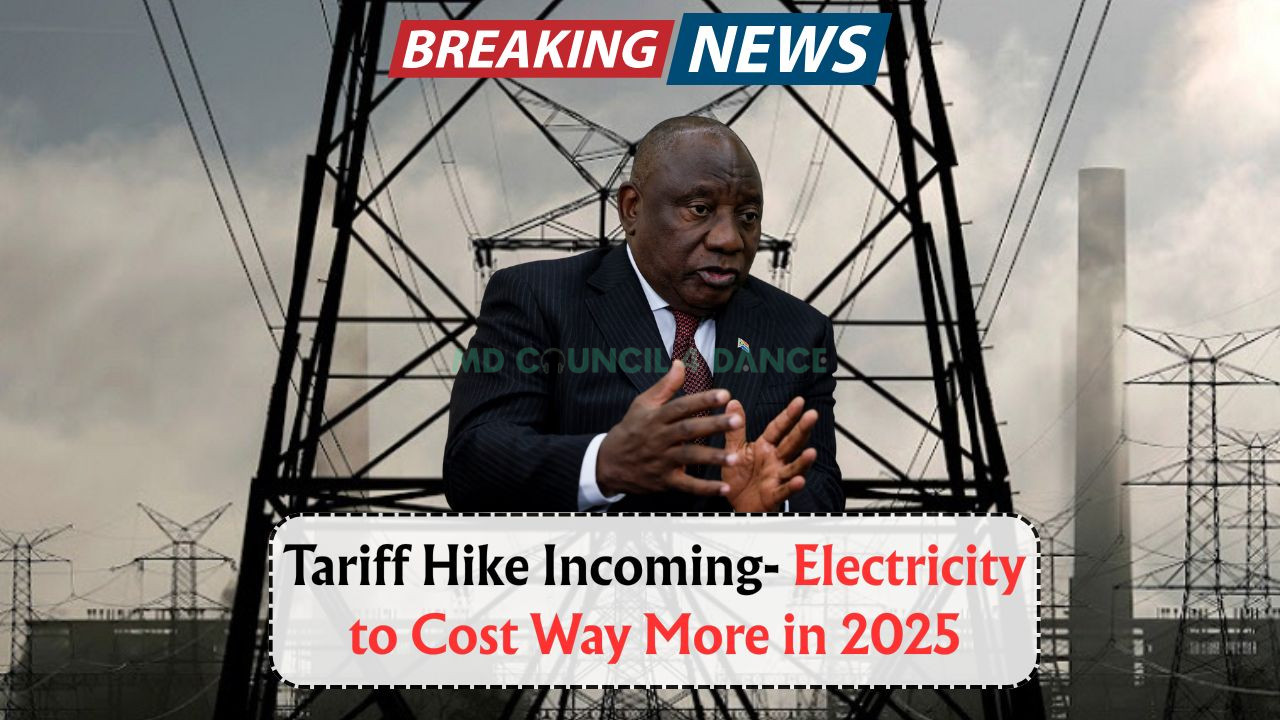
Power Price Surge in South Africa 2025: South Africans are bracing themselves for a substantial increase in electricity tariffs set to take effect in 2025. This surge in power prices is anticipated to impact households and businesses alike, prompting many to reevaluate their energy consumption and budgeting strategies. With the forthcoming changes, understanding the intricacies of this price hike and its implications is crucial for everyone.
Understanding the South African Power Price Increase
The power price surge in 2025 is a result of multiple factors, including infrastructure upgrades, increased operational costs, and a shift towards sustainable energy sources. The National Energy Regulator of South Africa (NERSA) has approved this tariff adjustment to ensure the country’s energy sector remains viable and can meet future demands.
Key Reasons Behind the Tariff Hike
- Ageing infrastructure requiring modernization
- Rising costs of coal and renewable energy integration
- Efforts to reduce carbon footprint and environmental impact
- Necessity to fund new power generation projects
- Increased demand for reliable electricity supply
With these factors in play, the power price surge aims not only to cover costs but also to encourage efficient energy use and foster investment in cleaner technologies.
Impact of the 2025 Electricity Tariff Hike on Consumers
For Households: The 2025 power price increase will likely lead to higher monthly electricity bills for many South African households. To mitigate this impact, families may need to adopt energy-saving measures and consider alternative energy solutions such as solar panels.

For Businesses: Companies, especially those in energy-intensive industries, will face higher operational costs. This could lead to increased prices of goods and services, affecting the broader economy. Businesses might explore energy efficiency improvements and renewable energy investments to manage costs.
| Consumer Type | Potential Impact | Suggested Solution | Outcome |
|---|---|---|---|
| Households | Higher electricity bills | Energy-saving appliances | Reduced energy costs |
| Small Businesses | Increased operational expenses | Efficiency audits | Lower energy consumption |
| Large Corporations | Rising production costs | Invest in renewable energy | Sustainable energy use |
| Government | Public discontent | Subsidies for renewables | Improved public trust |
| Energy Sector | Need for infrastructure investment | Policy reforms | Enhanced grid reliability |
| Environment | Higher emissions | Cleaner energy sources | Reduced carbon footprint |
| Economy | Inflationary pressures | Economic diversification | Resilient economy |
Strategies to Cope with the Power Price Surge
Adjusting to the power price surge in 2025 will require a multifaceted approach from both individuals and businesses. Embracing energy efficiency, investing in renewable energy, and advocating for favorable policies are some strategies to consider.
Energy Efficiency Measures
- Switch to LED lighting
- Install smart thermostats
- Conduct regular energy audits
- Upgrade to energy-efficient appliances
Renewable Energy Investments
- Solar panel installations
- Wind energy projects
- Hybrid energy systems
- Community energy initiatives
Policy Advocacy
- Engage with local government
- Support renewable subsidies
- Promote sustainable energy policies
Preparing for Future Energy Challenges
The 2025 tariff hike serves as a reminder of the ongoing challenges in the energy sector. It calls for proactive measures to ensure a stable and sustainable energy future for South Africa.
Long-term Energy Solutions
- Infrastructure modernization
- Alternative energy sources
- Research and innovation
- Public-private partnerships
- Community education programs
- International cooperation
Immediate Steps for Consumers
- Review and adjust energy budgets
- Explore energy-saving technologies
- Participate in energy conservation programs
- Seek government assistance if needed
Monitoring Energy Usage
Keeping track of energy consumption is vital in managing costs and reducing environmental impact. Consumers are encouraged to regularly monitor their energy usage and adjust habits accordingly to minimize the effects of the tariff hike.
Resources for Energy Management:
- Online energy calculators
- Mobile apps for energy tracking
- Utility company tools
Community Support Initiatives:
- Local energy workshops
- Neighborhood energy programs
- Government incentives
- Renewable energy grants
Explore More Energy SolutionsJoin the Energy Efficiency Community

FAQ Section
What is causing the 2025 power price surge?
- The surge is driven by infrastructure upgrades, increased costs, and a shift to sustainable energy.
- How will households be affected?
- Households may see higher bills, prompting the need for energy-saving measures.
Are there any government initiatives to help consumers?
- Yes, various subsidies and programs are available to support energy transition.
- What can businesses do to mitigate the impact?
- Businesses can invest in energy efficiency and renewable solutions to lower costs.
Is renewable energy a viable option for all?
- Yes, with decreasing costs and increasing availability, renewables are more accessible than ever.
- Community initiatives can also help lower the entry barriers for individuals.
Departmental Contact Details
For further assistance, you can reach out to:
Email: [email protected]
Phone: 0800 123 456
Website: www.energy.gov.za
Local Office: 123 Energy Street, Johannesburg
Hours: Mon-Fri, 9 am – 5 pm
